
Ysgol Penalltau
Ymyraethau / Interventions
Thrive
Supporting Emotional Wellbeing and Development
Thrive is a structured approach to the early identification of the emotional developmental needs in children and young people. The Thrive Approach supports children with their emotional health, wellbeing and social skills which are necessary to enable learning to take place.
It is based on the latest research in neuroscience (where evidence shows that the brain develops through personal and social interaction), play, creativity, the arts, child development theory and attachment theory. This all helps us to understand the needs that the children are communicating to us through their actions, as children cannot always put their needs into words. It also equips the adults in their role in how to be and what to do in response to a child’s differing and sometimes distressed behaviour.
Cefnogi Lles a Datblygiad Emosiynol
Mae Thrive yn ddull strwythuredig o adnabod anghenion datblygiad emosiynol plant a phobl ifanc yn gynnar. Mae Dull Thrive yn cefnogi plant gyda’u hiechyd emosiynol, eu llesiant a’u sgiliau cymdeithasol, sy’n hanfodol er mwyn galluogi dysgu i ddigwydd.
Mae’r dull yn seiliedig ar yr ymchwil ddiweddaraf mewn niwrowyddoniaeth (lle mae tystiolaeth yn dangos bod yr ymennydd yn datblygu drwy ryngweithio personol a chymdeithasol), chwarae, creadigrwydd, y celfyddydau, damcaniaeth datblygiad plant a damcaniaeth ymlyniad. Mae hyn oll yn ein helpu i ddeall yr anghenion y mae plant yn eu cyfleu i ni drwy eu gweithredoedd, gan nad yw plant bob amser yn gallu mynegi eu hanghenion mewn geiriau. Mae hefyd yn rhoi’r wybodaeth a’r sgiliau i oedolion ynglŷn â sut i ymddwyn a beth i’w wneud mewn ymateb i ymddygiad amrywiol plentyn, a all fod yn ymddygiad gofidus neu anghyfforddus weithiau.
ComIt
Supporting Language and Communication Skills
The ComIT (Communication Intervention Team) Toolkit is a professional resource designed to help practitioners support children and young people with language and communication needs or delays.
The school provides half-termly interventions in the following areas of need:
- Attention and Listening
- Social Skills
- Play and Early Interaction
- Understanding Language
- Using Language
School can also refer pupils to the ComIt team for individual support if needed.
Cefnogi Sgiliau Iaith a Chyfathrebu
Mae Pecyn Cymorth ComIT (Tîm Ymyrraeth Cyfathrebu) yn adnodd proffesiynol a gynlluniwyd i helpu ymarferwyr i gefnogi plant a phobl ifanc sydd ag anghenion neu oedi o ran iaith a chyfathrebu.
Mae’r ysgol yn darparu ymyraethau bob hanner tymor yn y meysydd canlynol:
- Sylw a Gwrando
- Sgiliau Cymdeithasol
- Chwarae a Rhyngweithio Cynnar
- Deall Iaith
- Defnyddio Iaith
Gall yr ysgol hefyd gyfeirio disgyblion at dîm ComIT ar gyfer cymorth unigol os oes angen.

MeLSA

Supporting Learning and Working Memory skills
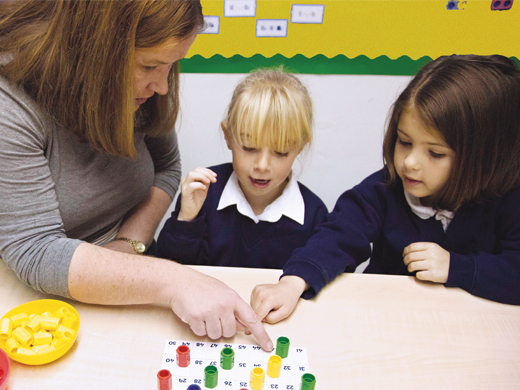
MeLSA promotes staff's understanding of the processes of children's learning. Staff can deliver literacy and numeracy support to individuals or small groups to build learners' independence and facilitate progress. They will:
- investigate the learning skills of the specific children or young people they are working with
- identify the learning skills required for a range of tasks
- teach thinking skills, and adjust the content, language or complexity of the learning task to foster a learner's independence
- plan, deliver and monitor progress of individual and small group learning support interventions.
Cefnogi Sgiliau Dysgu a Chof Gweithiol
Mae MeLSA yn rhaglen sy’n hybu dealltwriaeth staff o’r prosesau sy’n ymwneud â dysgu plant. Gall staff ddarparu cymorth llythrennedd a rhifedd i unigolion neu grwpiau bach er mwyn datblygu annibyniaeth dysgwyr a hwyluso cynnydd. Byddant yn:
- ymchwilio i sgiliau dysgu’r plant neu’r bobl ifanc penodol y maent yn gweithio gyda nhw
- nodi’r sgiliau dysgu sydd eu hangen ar gyfer ystod o dasgau
- addysgu sgiliau meddwl, ac addasu cynnwys, iaith neu gymhlethdod y dasg ddysgu er mwyn meithrin annibyniaeth y dysgwr
- cynllunio, darparu a monitro cynnydd ymyriadau cymorth dysgu unigol ac mewn grwpiau bach.
Sensory Circuits

Supporting Sensory Needs
Sensory circuits are structured sequences of physical, sensory-based movement activities designed to help children regulate their nervous systems and achieve an optimal "just right" level of alertness for learning. The sessions last about 10-15 minutes and consist of three parts:
- Alerting Activities: Wakes up the body and activates the vestibular system (balance and spatial awareness).
- Organizing Activities: Challenges balance, timing, and motor coordination. Requires the child to plan and sequence physical movements in a structured way.
- Calming Activities: Slows down the central nervous system using deep pressure and proprioceptive input (body awareness) so children return to class feeling centred and focused.
Cefnogi Anghenion Synhwyraidd
Mae cylchedau synhwyraidd yn gyfresi strwythuredig o weithgareddau symud corfforol sy’n seiliedig ar y synhwyrau, wedi’u cynllunio i helpu plant i reoleiddio eu systemau nerfol a chyrraedd lefel briodol o effrogarwch sy’n cefnogi dysgu. Mae’r sesiynau’n para tua 10-15 munud ac yn cynnwys tair rhan:
- Gweithgareddau Deffro (Alerting Activities): Yn deffro’r corff ac yn actifadu’r system vestibwlaidd (cydbwysedd ac ymwybyddiaeth ofodol).
- Gweithgareddau Trefnu (Organizing Activities): Yn herio cydbwysedd, amseriad a chydsymud echddygol. Mae’r gweithgareddau hyn yn gofyn i’r plentyn gynllunio a dilyniannu symudiadau corfforol mewn ffordd strwythuredig.
- Gweithgareddau Tawelu (Calming Activities): Yn arafu gweithgarwch y system nerfol ganolog drwy ddefnyddio gwasgedd dwfn a mewnbwn proprioseptif (ymwybyddiaeth o’r corff), fel bod plant yn dychwelyd i’r dosbarth yn teimlo’n dawel, yn ganolog ac yn barod i ganolbwyntio.

Homunculi Approach

Supporting Social and Emotional Wellbeing
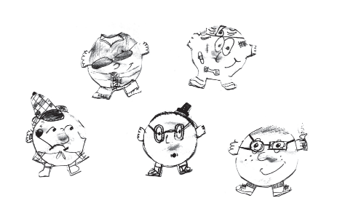
The Homunculi Approach is a 10-week, cognitive behavioural therapy (CBT) intervention designed to build social and emotional well-being in children and young people from age 7.
- Miniature Agents: Participants imagine "homunculi" (little people) with special gadgets and problem-solving missions living inside the brain.
- Character Creation: Children invent unique characters representing different emotional, social, or physical functions (such as managing moods, sleep, or communication).
- Visual Problem-Solving: Using a large poster of a skull and storyboard templates, children map out real-life challenges and move characters around to act out solutions.
- Cognitive Links: The programme teaches young people how thoughts, feelings, and behaviours connect, helping them pause and plan actions rather than react impulsively.
Cefnogi Lles Emosiynol a Chymdeithasol
Mae Dull Homunculi yn ymyrraeth Therapi Gwybyddol Ymddygiadol (CBT) 10 wythnos o hyd, sydd wedi’i gynllunio i ddatblygu lles cymdeithasol ac emosiynol plant a phobl ifanc o 7 oed ymlaen.
-
Asiantau Bach: Mae cyfranogwyr yn dychmygu “homunculi” (pobl fach) sy’n byw y tu mewn i’r ymennydd, gyda theclynnau arbennig a chenhadaethau datrys problemau.
-
Creu Cymeriadau: Mae plant yn dyfeisio cymeriadau unigryw sy’n cynrychioli gwahanol swyddogaethau emosiynol, cymdeithasol neu gorfforol, megis rheoli hwyliau, cysgu neu gyfathrebu.
-
Datrys Problemau’n Weledol: Gan ddefnyddio poster mawr o benglog a thempledi bwrdd stori, mae plant yn mapio heriau bywyd go iawn ac yn symud y cymeriadau o gwmpas i actio atebion posibl.
-
Cysylltiadau Gwybyddol: Mae’r rhaglen yn dysgu pobl ifanc sut mae meddyliau, teimladau ac ymddygiadau yn gysylltiedig â’i gilydd, gan eu helpu i oedi, meddwl a chynllunio eu gweithredoedd yn hytrach nag ymateb yn fyrbwyll.
Primary Anxiety

Supporting Wellbeing
The Primary Anxiety group is for pupils aged 9 to 11 years old who experience worrying thoughts. The purpose of the group is to provide pupils with information about what anxiety is and how they can manage it. The topics being covered include:
- What is anxiety?
- Recognising anxiety in the body Identifying strategies to calm our fight, fight, flight or freeze response of anxiety, such as breathing and grounding techniques
- Understanding how thoughts and feelings are linked
- Identifying and challenging unhelpful thinking styles
- Positive self-talk
Cefnogi Lles
Grŵp Pryder Cynradd
Mae’r Grŵp Pryder Cynradd ar gyfer disgyblion rhwng 9 ac 11 oed sy’n profi pryder. Nod y grŵp yw darparu gwybodaeth i ddisgyblion am beth yw pryder a sut y gallant ei reoli.
Mae’r pynciau a drafodir yn cynnwys:
- Beth yw pryder?
- Adnabod pryder yn y corff, a nodi strategaethau i dawelu ymateb y corff i bryder, sef yr ymateb ymladd, ffoi neu rewi, megis technegau anadlu a thechnegau sefydlogi (grounding).
- Deall y cysylltiad rhwng meddyliau a theimladau.
- Adnabod a herio ffyrdd o feddwl sy’n ddi-fudd neu’n negyddol.
- Hunan-siarad cadarnhaol er mwyn meithrin hyder a gwydnwch emosiynol.

Precision Teaching

Supporting Working Memory
Precision Teaching is a structured, daily intervention method that uses short, one-on-one practice bursts to help children build fluency and automatic recall in core skills like reading sight words, phonics, number facts or times tables. Sessions follow this structure:
- Short Daily Sessions: 5 to 10 minutes a day
- Single Focus: Targeting a very specific, small chunk of information at a time (such as 4 to 5 sight words or a specific number bond)
- The 1-Minute Timing: 1-minute timed practice or "probe" where the pupil reads, writes or answers as many items from the target set as they can.
- Visual Tracking: the daily score is recorded on a simple chart or graph, the pupil can visually see their own progress and celebrate small wins.
Cefnogi Cof Gweithiol
Mae Addysgu Manwl (Precision Teaching) yn ddull ymyrraeth strwythuredig dyddiol sy’n defnyddio sesiynau ymarfer byr, un-i-un, i helpu plant i ddatblygu rhuglder a gallu i adalw sgiliau craidd yn awtomatig, megis darllen geiriau cyfarwydd, ffoneg, ffeithiau rhif neu dablau lluosi.
Mae’r sesiynau’n dilyn y strwythur canlynol:
-
Sesiynau Dyddiol Byr: 5 i 10 munud y dydd.
-
Ffocws Unigol: Targedu darn bach a phenodol iawn o wybodaeth ar y tro (er enghraifft, 4 neu 5 gair cyfarwydd neu fond rhif penodol).
-
Y Gweithgaredd Amseru 1 Munud: Cyfnod ymarfer o 1 munud, neu “brawf”, lle mae’r disgybl yn darllen, yn ysgrifennu neu’n ateb cymaint o eitemau o’r set darged ag y gall.
-
Tracio Gweledol: Caiff y sgôr ddyddiol ei chofnodi ar siart neu graff syml, gan alluogi’r disgybl i weld ei gynnydd ei hun yn weledol a dathlu llwyddiannau bach wrth iddynt ddigwydd.

Nurture breakfast / Brecwast Maeth
A chance for pupils to have a chat, discuss their feelings with a key adult and have a healthy breakfast to prepare them for the day ahead.
Cyfle i ddisgyblion gael sgwrs, trafod eu teimladau gydag oedolyn allweddol a mwynhau brecwast iach i'w paratoi ar gyfer y diwrnod sydd o'u blaenau.
Y Nyth

Our nurture classroom supports pupils with wellbeing, social skills, sensory needs and emotional regulation.
Ein dosbarth maeth sydd yn cefnogi disgyblion gyda llesiant, sgiliau cymdeithasol, anghenion synhwyraidd a rheoleiddio emosiynol.